FACING the SOCIAL CONTEXT
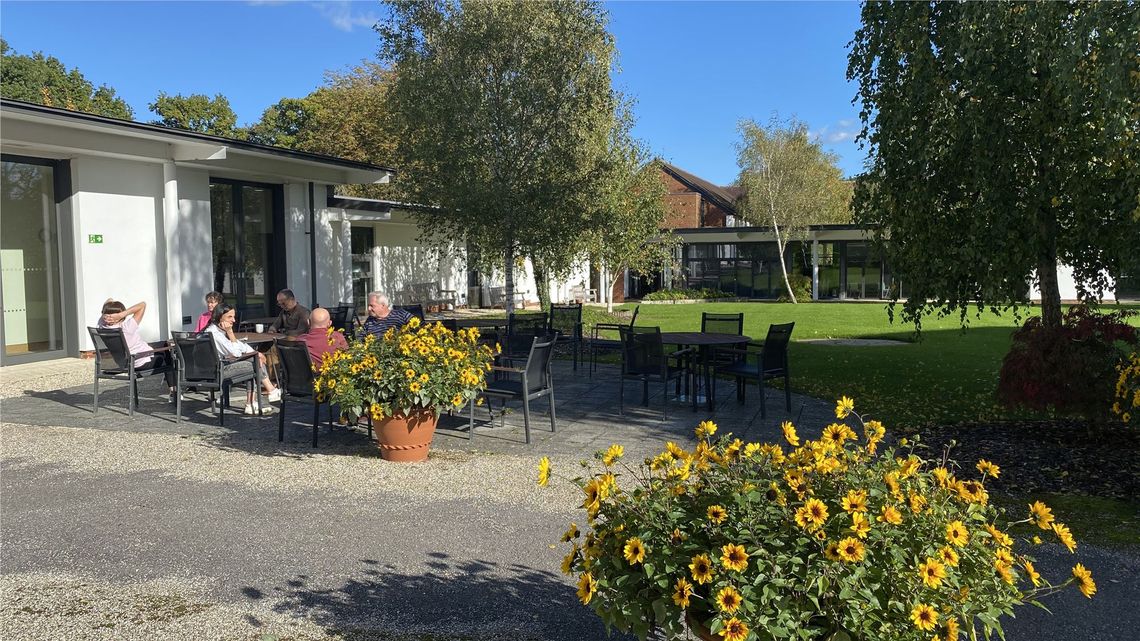
We hope the space we provide is inspirational and transformative: to match learning with practice through group experiences, and through live ‘action research’ based on our own working or living environment.
The particular focus is on how hidden processes in the socio-political context influence our capacity to think, make decisions, develop policy and form strategy, that might include the public in decision-making, encourage consultation processes, bridge racial, cultural and religious divides or tackle current local and global challenges.
ESTABLISHING the COMMUNITY of PRACTICE
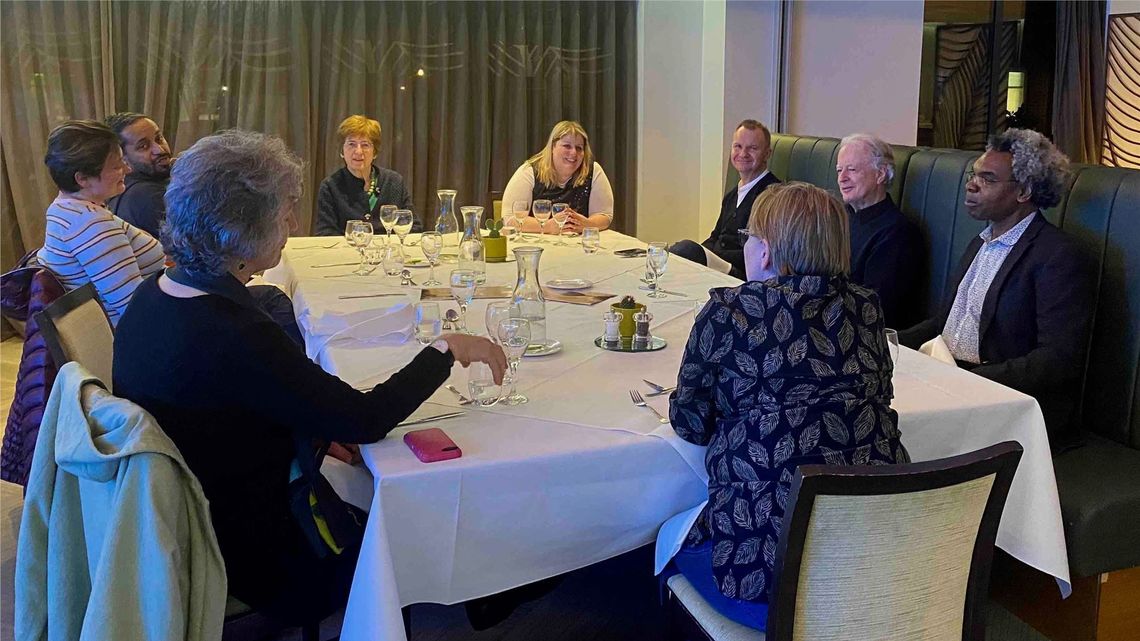
Since the pandemic, the composition of the group has changed as Zoom has made it possible for more international participants to join us. A question then emerges about how these participants become part of our learning community - in an ongoing way.
Additional staff members have been individuals that the convenors have either worked with previously or have expressed an on-going interest in and support for this endeavour. They also have some understanding of the thinking behind - understanding of large group processes grounded in the work of Patrick de Maré. Central to this thinking is a willingness to learn through experience - sometimes a painful and gradual process - in which the use of interpretation or more didactic forms of learning, play a very secondary role.
Student-participants come from a variety of life experiences and bring with them very different theoretical backgrounds. They are invited to contribute their thinking to the different situations that group members bring with them - potentially leading to cross-fertilisation but also to inevitable frustrations when those ideas appear not to be easily integrated.
Anyone can invite student participants providing they discuss their interest in joining with the convenors and or the group and whether they plan to come as a one-off or in an ongoing way.
SUGGESTED READING
Lenn, R & Stefano, K (2012). Small, Median and Large Groups: The work of Patrick de Maré. London: Karnac.
de Maré, P, Piper, R & Thompson, S (1991). Koinonia: From Hate, through Dialogue to Culture. London: Karnac.
Dalal, F (1998) Taking the Group Seriously: Towards a Post-Foulksian Group Analytic Theory. London Jessica Kingsley.
There is also an extended reading list including articles and books on this website intended only as a stimulus to thought. Feel free to add any books that you have found helpful